


Application Notes for your specific use
Areas of application KERABSORB
More...
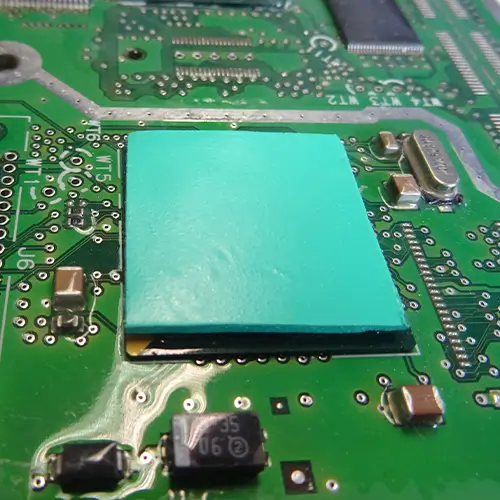
Electronic systems increasingly require materials that both minimize electromagnetic interference and dissipate heat efficiently. With Kerabsorb, Kerafol offers a material that combines the properties of a classic gap pad with those of an EMI absorber.
The application note shows how Kerabsorb combines reliable attenuation in the high-frequency range, high thermal conductivity and defined insulation strength in a single, easy-to-integrate material.
Areas of application KERAMOLD ®
More...
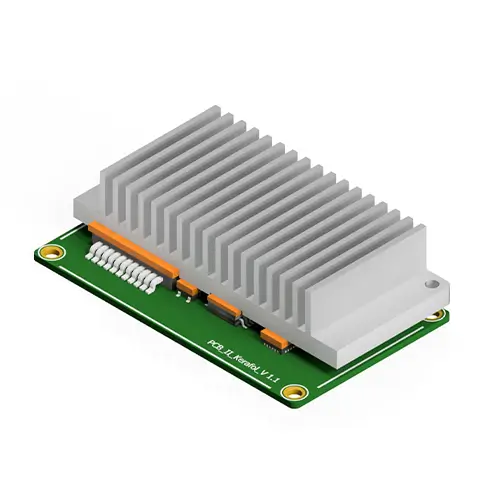
The efficient thermal connection of active components to a heat sink is one of the key challenges in power electronics. Thanks to injection-moulded 3D geometries, KERAMOLD ® enables a direct, form-fit connection between components and heat sinks without the need for additional processing steps on the metal.
The application note shows how KERAMOLD ® opens up new degrees of freedom for the design of thermal interfaces, reduces costs and minimizes thermal contact resistance at the same time.
Battery Management System
More...
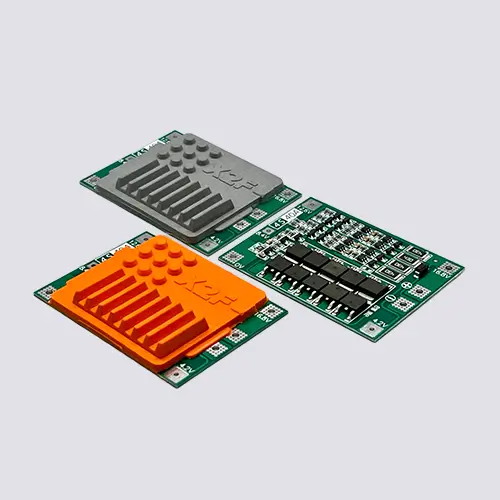
Our case study shows how overmolding PCBs with KERAMOLD ® 20 (W/mK) significantly reduces the component temperature while providing mechanical protection and electrical insulation – with significantly shorter process times compared to conformal coating or potting.
Efficient oxygen supply in fish farming – advantages of ceramic aeration disks
More...
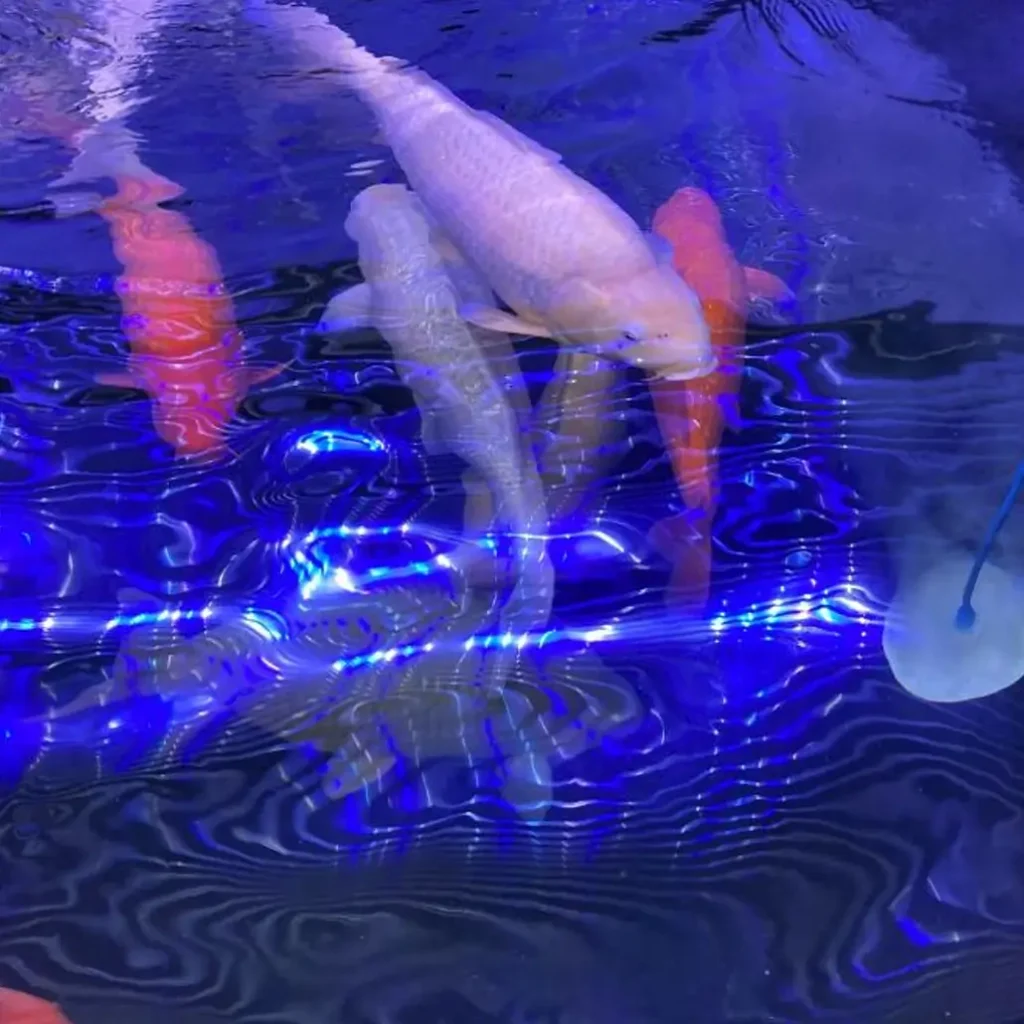
In modern aquaculture, a reliable oxygen supply is essential for the growth and health of fish. Conventional aeration systems often reach their limits in terms of efficiency and performance. Ceramic membrane discs enable significantly more effective oxygen transfer and sustainably improve process stability and water quality.
General overview: Silicone-free gap fillers from KERAFOL ® (GFU series)

More...
Diisocyanates are contained in many polyurethane products and have been subject to stricter REACH regulations since 2023. This affects some silicone-free gap fillers on the market, which are used in various electronic applications, especially when silicones cannot be used. The application note explains the relevant background and clarifies which silicone-free gap fillers are not affected by the regulations.
GFL 2400 SL
More...
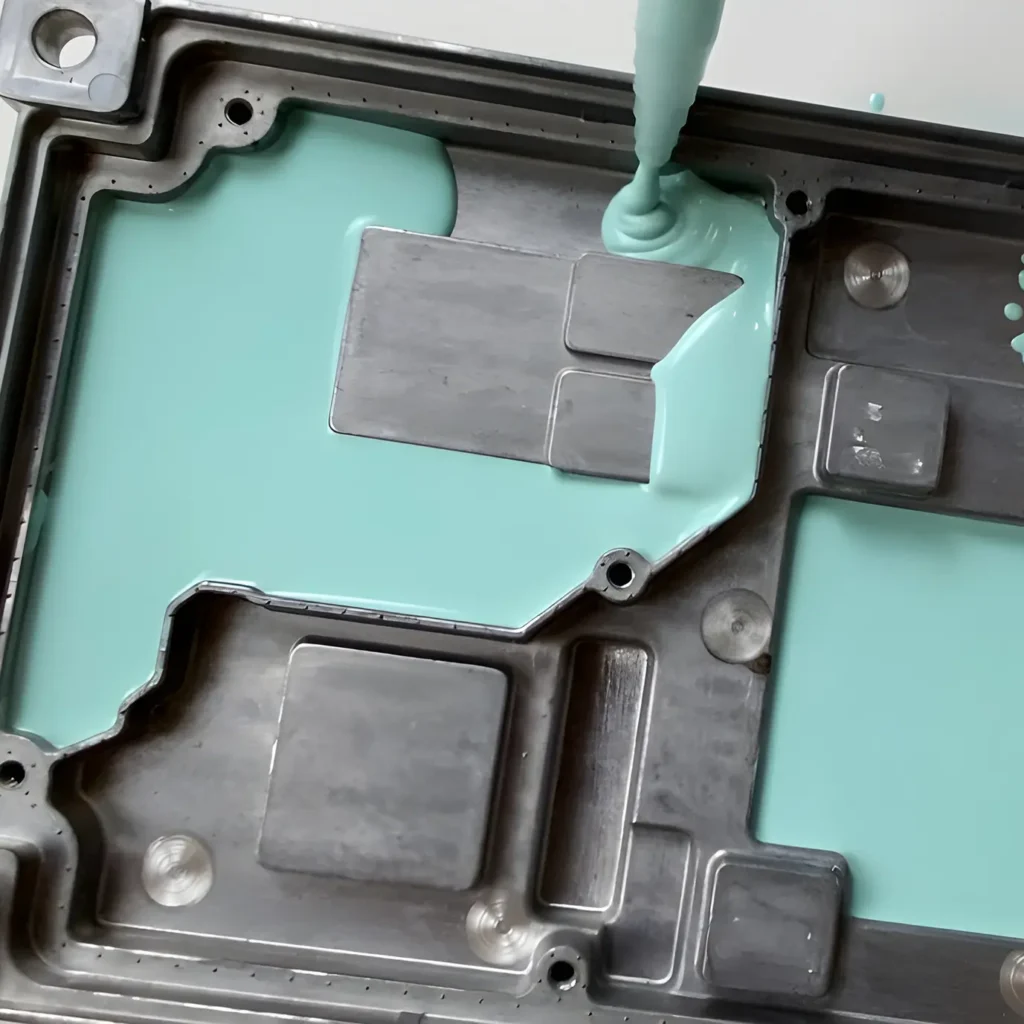
Increasing power densities and ever more compact designs are significantly increasing the demands on the thermal management of modern electronics. There is a demand for thermally conductive materials that form reliable, homogeneous and safe layers even with the smallest of gaps. The silicone-based thin potting compound GFL 2400 SL was developed precisely for these demanding applications.
GFL 3035 ultracold
More...
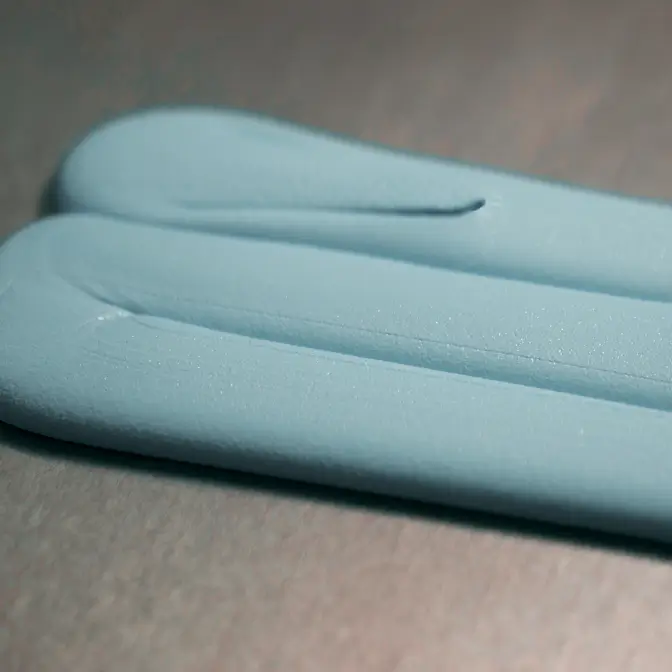
In the aerospace, military and defense sectors, electronic assemblies are exposed to extreme thermal loads. High power densities and limited installation space require thermally conductive materials that dissipate heat efficiently and keep their mechanical and electrical properties stable over a wide temperature range. GFL 3035 ultracold was specially developed to meet these requirements.
GFL 3055
More...
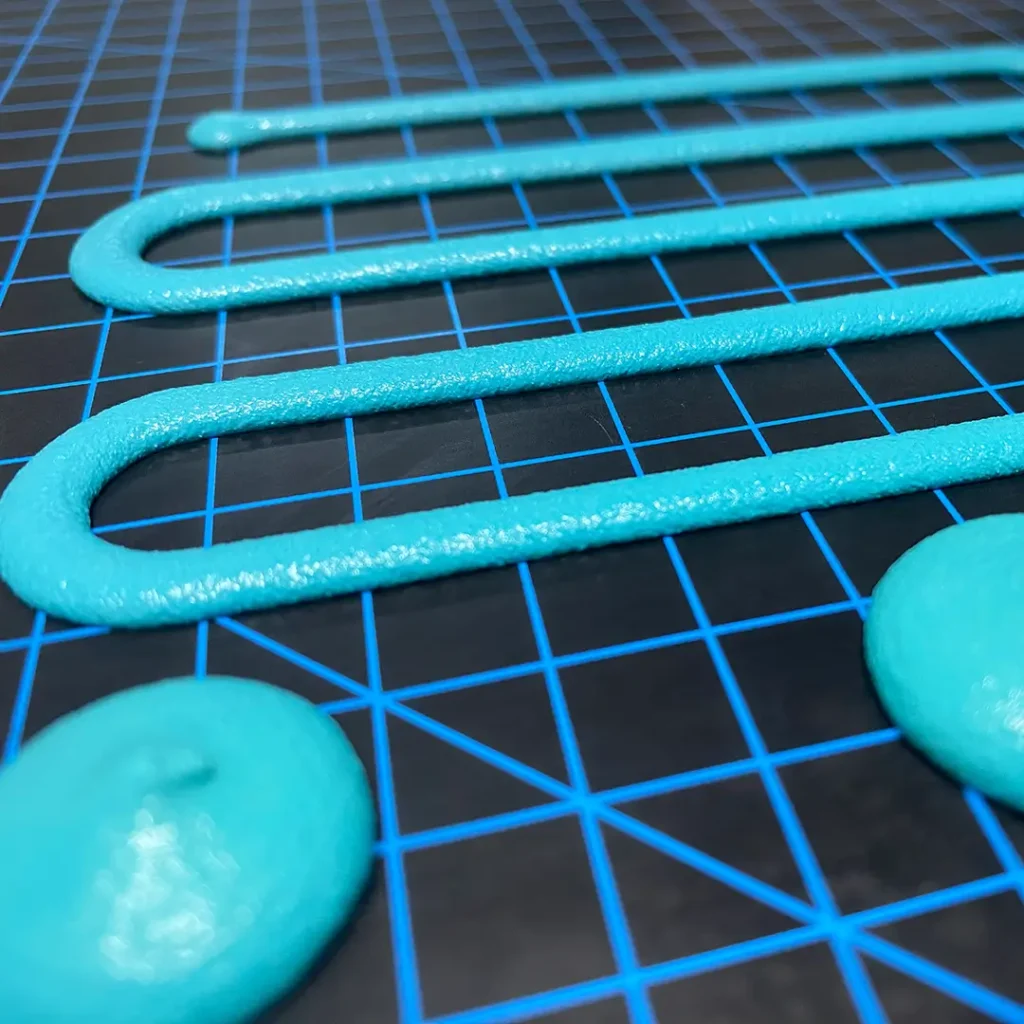
Modern electronic systems are achieving ever higher power densities and generating increasing amounts of heat in the process. To ensure that components on circuit boards remain stable over the long term, they must be efficiently cooled, electrically insulated and mechanically protected. The GFL 3055 gap filler combines high thermal conductivity with reliable insulation and flexibility for extreme operating conditions.
Graphite foils
More...
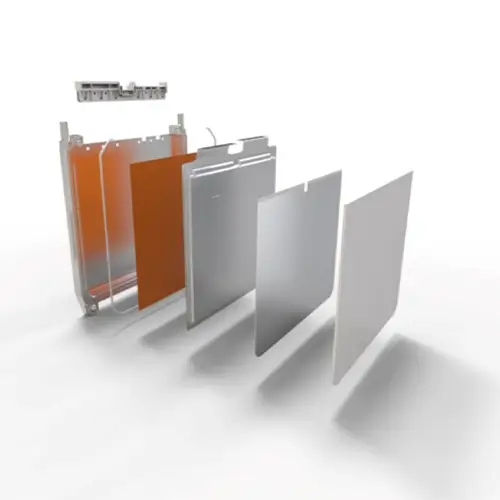
Especially for controlling thermal runaway scenarios. This case study shows how highly thermally conductive graphite foils from Kerafol are used in modular battery storage systems to efficiently distribute heat, reduce critical temperature peaks and slow down the transfer of energy to neighboring cells. A large-scale battery system for maritime applications is used as an example to demonstrate how graphite foils contribute to the operational safety, longevity and sustainability of modern energy storage systems.
Hybrid ceramics for high-voltage e-heaters
More...
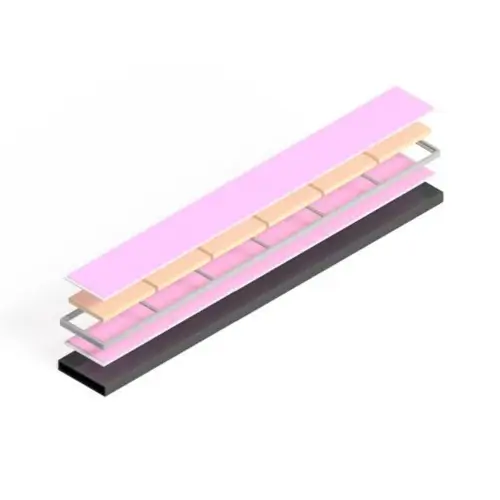
In high-performance wide band gap semiconductors such as SiC or GaN, heat is usually dissipated via the top side of the chip. The application note shows how hybrid film and hybrid ceramics as additional material options open up new design possibilities in top-side cooling – especially where thermal performance, insulation and design variants need to be flexibly combined.
A compact overview for developers who want to expand their TIM portfolio with additional solution approaches.
KERAMOLD ® – Use with electric motors
More...
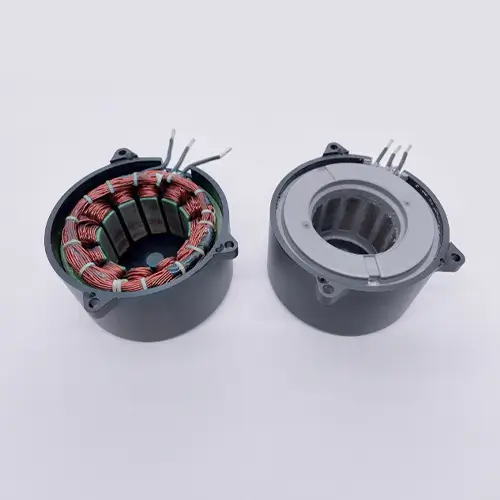
Our case study compares bare windings, conventional encapsulation materials and overmolding with KERAMOLD ® 20 under realistic operating conditions on the motor test bench. result: Overmolded motors show significantly improved thermal performance and reach critical temperatures much later than encapsulated or bare designs.
KERAMOLD ®
More...
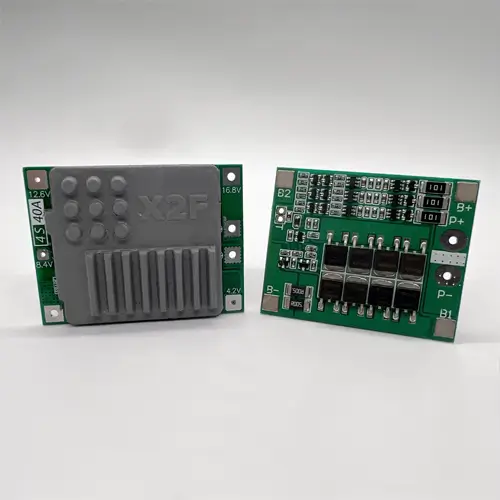
Electronics applications increasingly require solutions that combine protection and efficient heat dissipation. KERAMOLD ® offers a new approach to this: a thermally conductive injection-moulded granulate that combines functional integration and thermal management.
The application note shows how KERAMOLD ® can be used to open up new design possibilities for modern electronic modules – from component design to system integration.
KP 100
More...
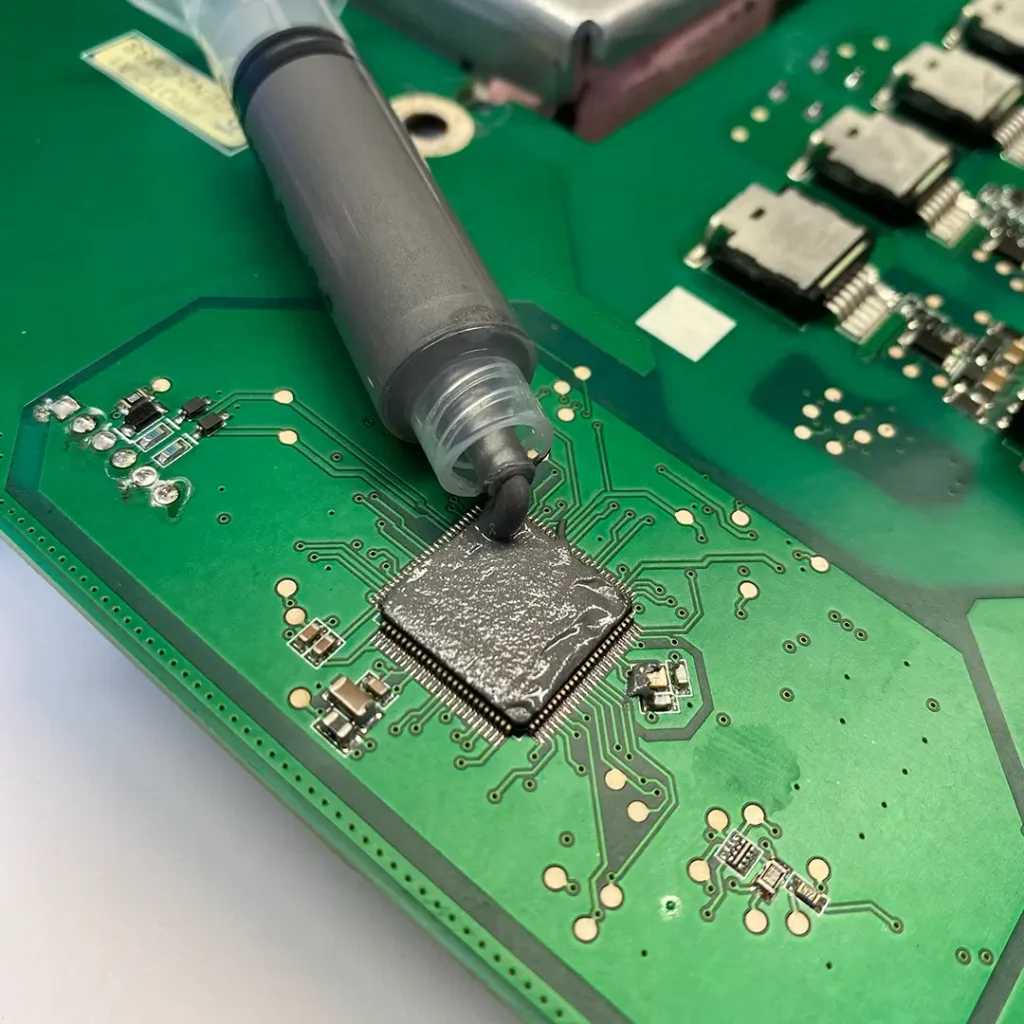
In modern electronic applications, the requirements for heat-conducting materials are constantly increasing. High-performance components are increasingly exposed to extreme temperature changes, which often pushes conventional heat-conducting pastes and PCMs to their limits. This is precisely where the newly developed KP 100 comes in, guaranteeing permanently reliable heat transfer even under demanding conditions.
Optimized High-Temperature Processes in Powder Metallurgy Using Structured Sintering Plates from KERAFOL®
More...
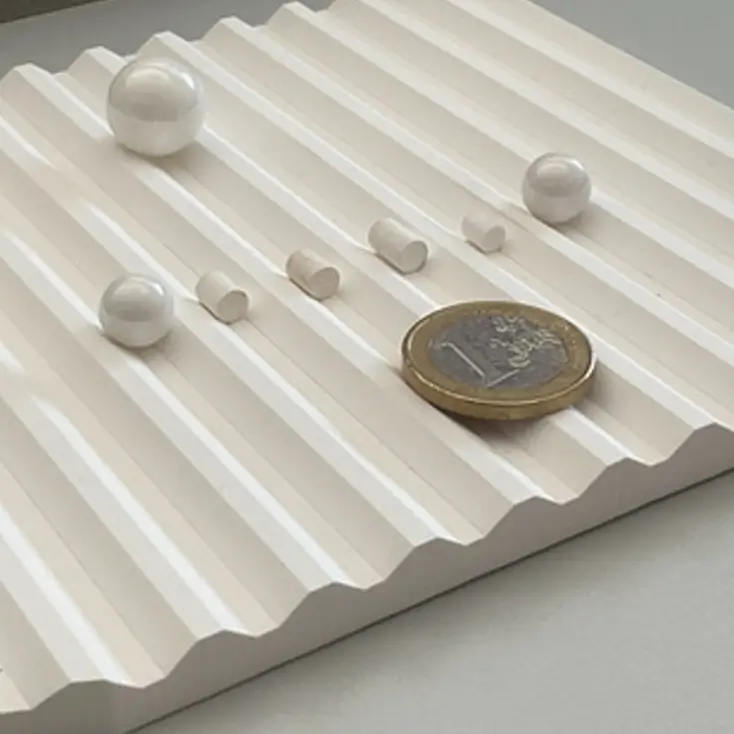
In powder metallurgy, the demands on process stability, reproducibility, and efficiency are continuously increasing, especially in high-temperature applications. Conventional sintering aids often reach their limits. Structured ceramic sinter plates from KERAFOL® enable precise part positioning and significantly improve process reliability and cost-effectiveness.
Overview:
Thermal management for SiC semiconductors
More...
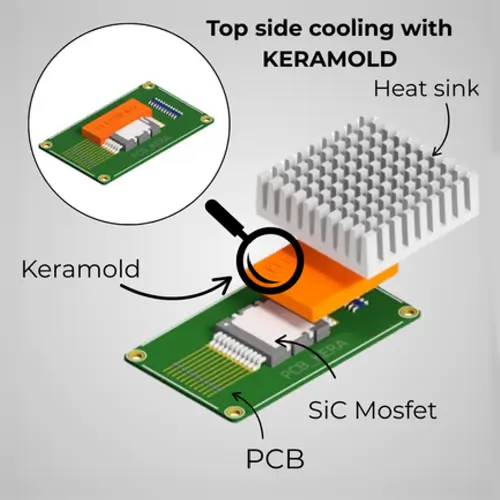
With high-performance wide band gap semiconductors such as SiC or GaN, heat is usually dissipated via the top of the chip. The application note shows how KERAMOLD ® in combination with the overmolding process can protect and cool active components precisely.
With KERAMOLD ®, thermal conduction, electrical insulation and mechanical stability can be combined in a single process step – thus opening up new degrees of freedom for the design of high-performance top side cooling solutions.
Polaris 3000
More...
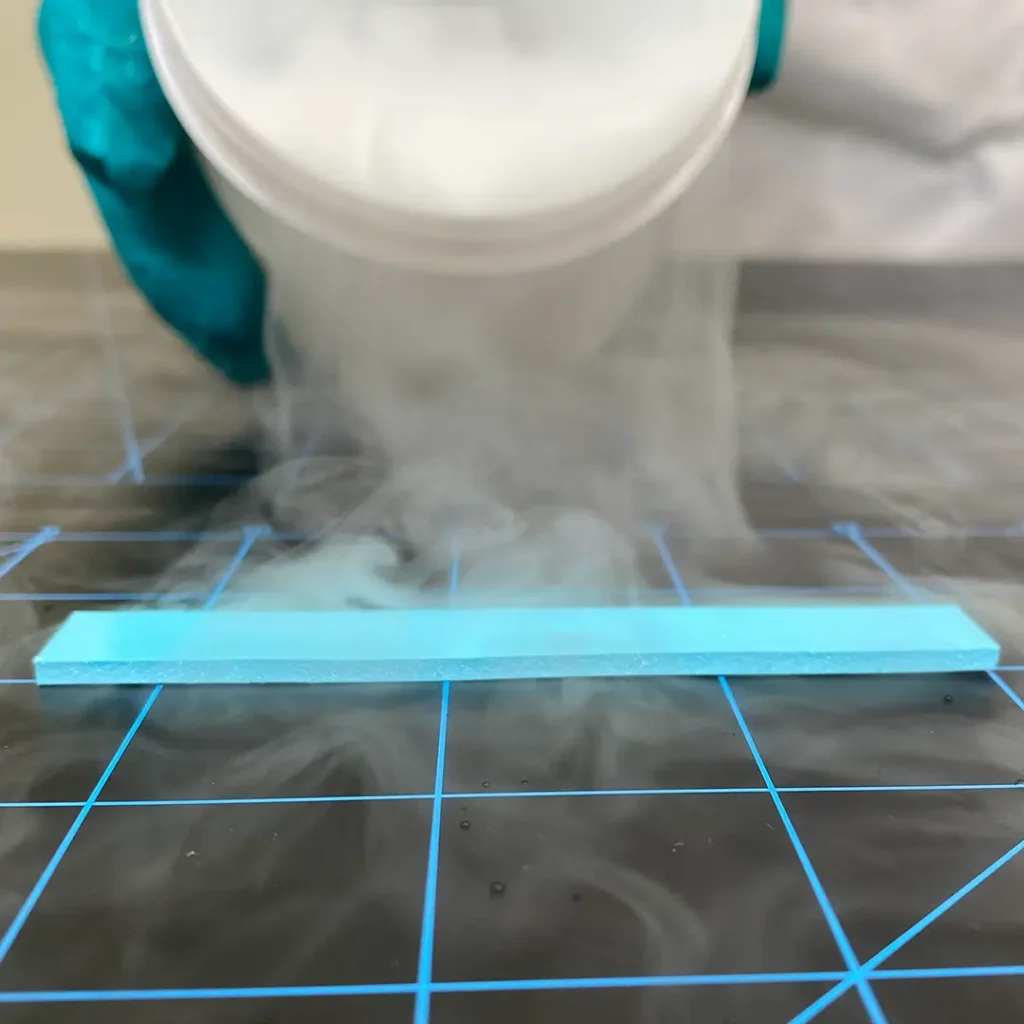
Aerospace and defense applications place the highest demands on heat conducting materials for cooling sensitive electronics. They must guarantee stable thermal, mechanical and electrical properties even under extreme temperatures. Polaris 3000 extends the application range to -90 °C to +200 °C and thus meets even the strictest military standards.
Processing of ceramic suspensions using Dynamic Crossflow Filtration (DCFF)
More...
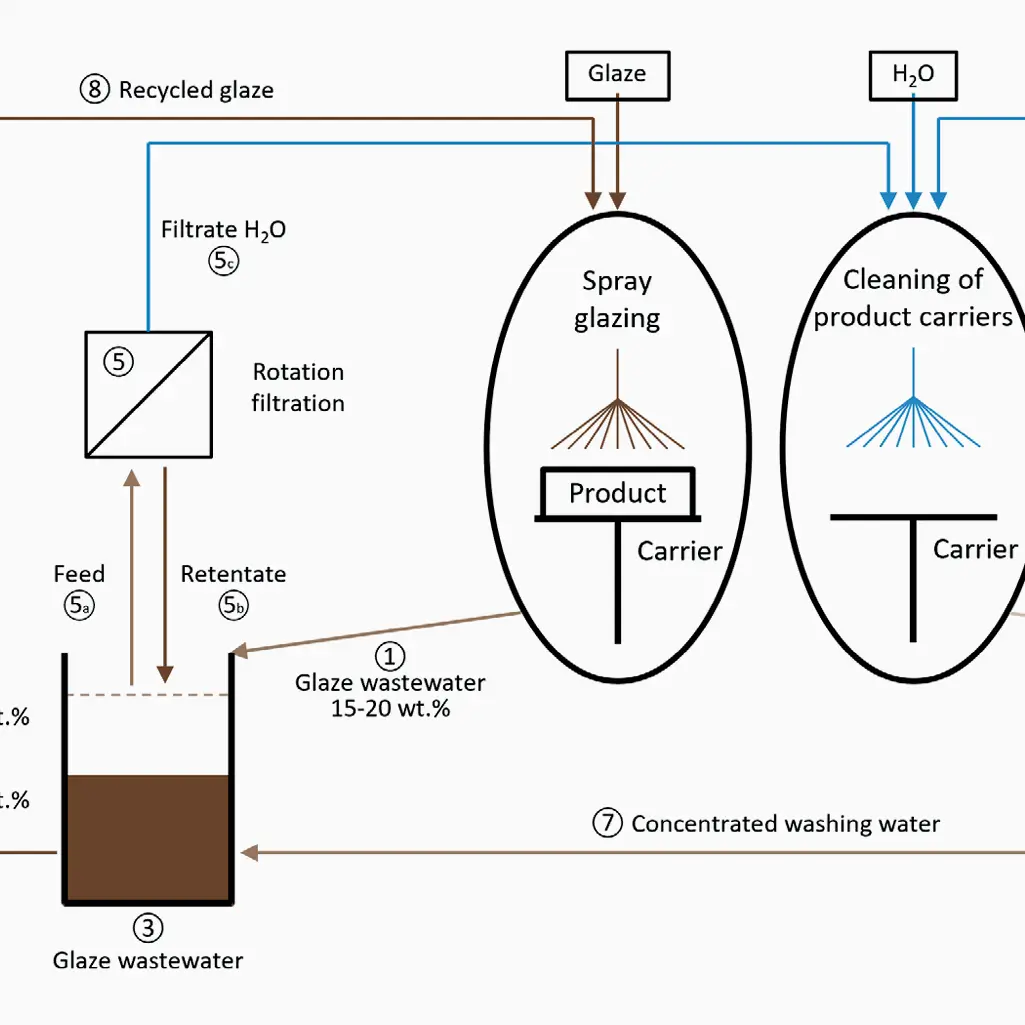
In ceramic production, wastewater containing valuable raw materials is generated, making recovery increasingly important for economic and environmental reasons. Advanced filtration technologies such as Dynamic Crossflow Filtration enable efficient treatment and reuse. This allows raw materials to be recovered and closed-loop processes to be established.
Sampling and substance dosing with ceramic membrane disks from KERAFOL®
More...
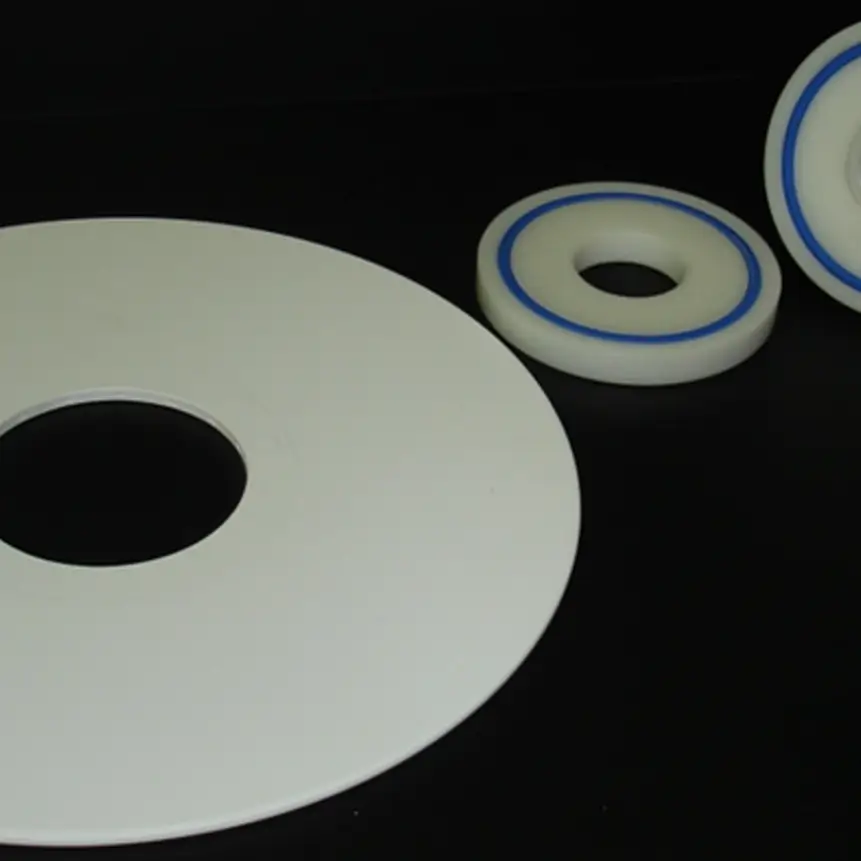
In numerous industrial and scientific applications, precise sampling and controlled substance dosing are crucial for stable processes. Ceramic membrane disks enable defined filtration and the targeted introduction of liquids and gases. This ensures reliable process monitoring and control even under demanding conditions.
Specific heat conducting foil blanks for TO component
More...
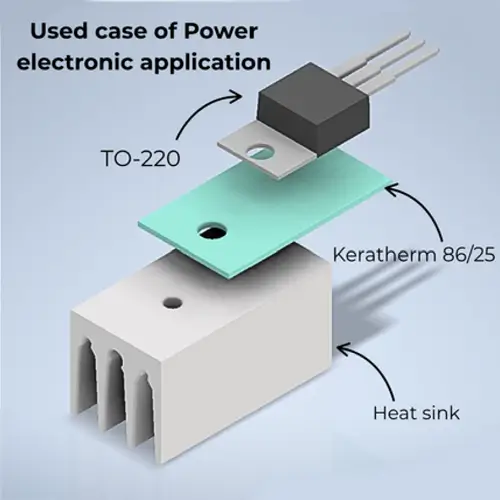
TO packages such as TO-220 or TO-247 are widely used in power electronics. The application note shows how KERATHERM films optimally combine thermal conductivity and electrical insulation to enable efficient cooling and easy assembly directly on the standard packages.
Developed for different power classes, the films offer a flexible, automatable solution for modern power electronics.
Sustainable Manure and Digestate Treatment through Innovative Filtration Technologies
More...
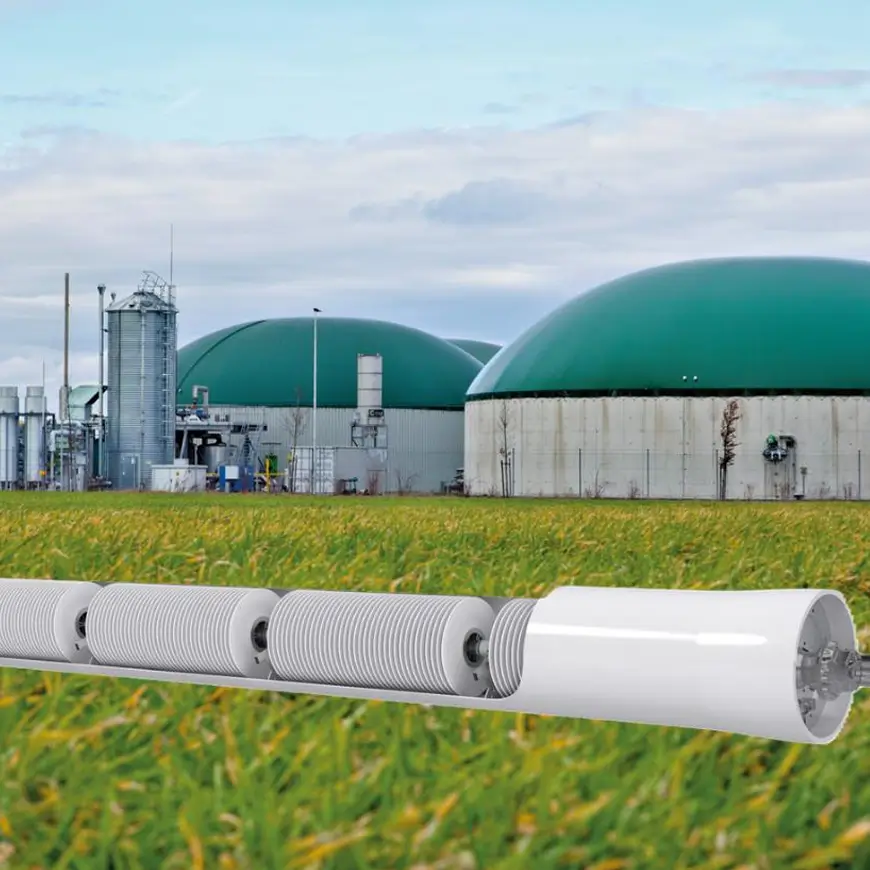
In agriculture and biogas production, large volumes of manure and digestate must be processed efficiently and in an environmentally friendly way. Modern filtration technologies enable targeted separation into clean water and nutrient-rich concentrates. This allows resources to be used efficiently while significantly reducing environmental impact.
Thermal management for SiC semiconductors in the 800V range
More...
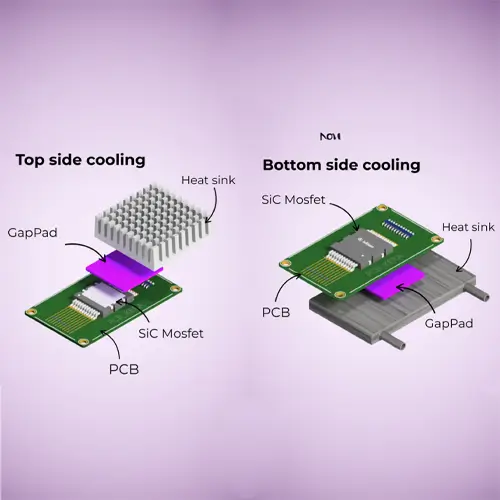
In high-performance wide band gap semiconductors such as SiC or GaN, heat is usually dissipated via the top side of the chip. The application note shows how hybrid film and hybrid ceramics as additional material options open up new design possibilities in top-side cooling – especially where thermal performance, insulation and design variants need to be flexibly combined.
A compact overview for developers who want to expand their TIM portfolio with additional solution approaches.